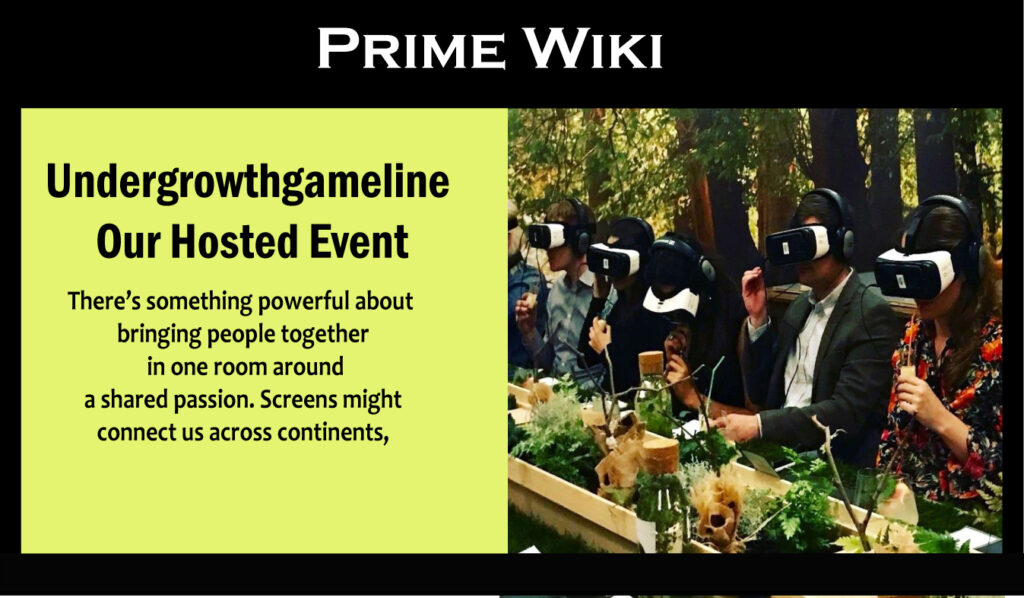

There’s something powerful about bringing people together in one room around a shared passion. Screens might connect us across continents, but nothing replaces the electricity of real voices, real reactions, and real-time competition. That was the spirit behind Undergrowth GameLine—our hosted event built not just for gamers, but for a community that thrives on creativity, competition, and connection.
Undergrowth GameLine wasn’t designed to be just another gaming event. It wasn’t a routine tournament with a predictable schedule and generic branding. It was an experience. A carefully shaped space where players, creators, developers, and fans could step out from behind their screens and step into something immersive.
This is the story of that event—how it came together, what made it different, and why it mattered.
The Idea Behind Undergrowthgameline Our Hosted Event
Every meaningful event begins with a simple question.
Ours was this: What if we built a gaming event that felt less corporate and more community-driven?
Undergrowthgameline Our Hosted Event: The gaming world has grown rapidly over the past decade. Esports arenas fill up. Streaming platforms explode with millions of viewers. But in the middle of that growth, smaller communities sometimes feel overlooked. Grassroots creators, indie developers, and passionate players don’t always get the spotlight.
Undergrowth GameLine was born from that undercurrent.
The name itself reflects the concept. In nature, undergrowth refers to the dense layer of plants and life beneath towering trees. It’s where hidden ecosystems thrive. It’s alive, diverse, and often overlooked. We saw the gaming community the same way—full of untapped talent and energy waiting for the right environment to grow.
Our goal wasn’t just to host a competition. It was to create a space where emerging players and creators could stand tall.
Planning the Experience, Not Just the Schedule
Too many events focus on logistics first and experience second. We reversed that.
Instead of starting with “How many matches can we fit in a day?” we asked, “How do we want people to feel when they walk in?”
Excited.
Welcomed.
Curious.
Inspired.
From there, every detail began to take shape.
1. A Community-First Layout
The venue wasn’t arranged like a rigid stadium. We avoided long rows of isolated stations. Instead, we designed open zones that encouraged interaction. Spectators weren’t separated from players—they were part of the atmosphere.
There were:
- Competitive zones for live matches
- Casual play areas for drop-in games
- A creator corner for streamers and content makers
- A developer showcase for indie studios
Each space flowed naturally into the next. No harsh barriers. No “VIP-only” energy dominating the room. Just people sharing the same passion.
2. A Balanced Event Lineup
Undergrowth GameLine wasn’t about one single game or genre. We wanted variety because gaming culture isn’t one-dimensional.
The event featured:
- Competitive tournaments
- Friendly exhibition matches
- Panel discussions with creators
- Skill workshops
- Open mic storytelling sessions
- Community challenges
The competitive side brought adrenaline. The discussions brought depth. The workshops brought growth. It wasn’t only about winning; it was about learning and connecting.
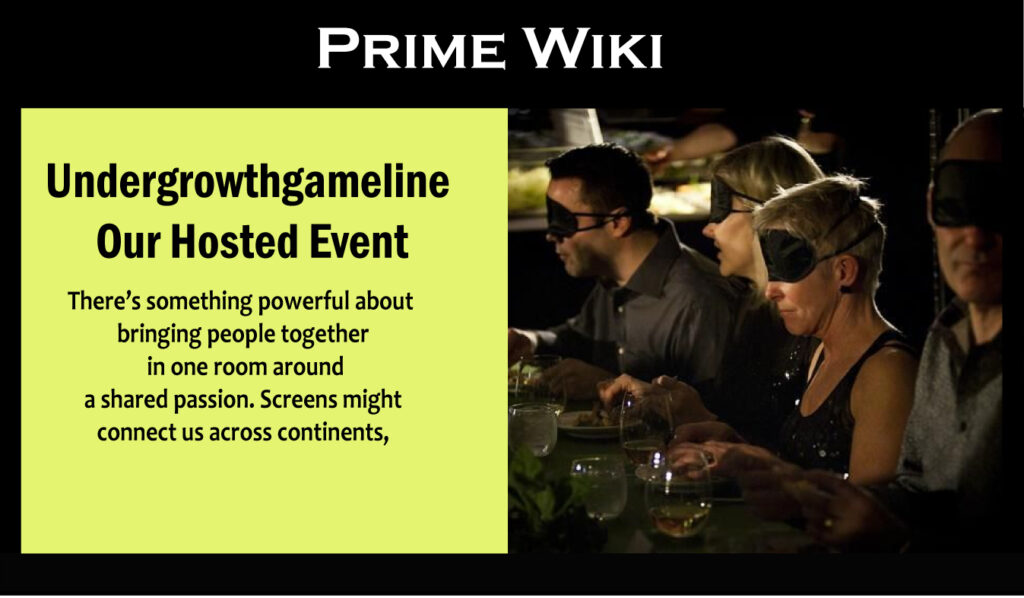
The Energy of Live Competition
There’s something different about watching a match live.
Online, you see the gameplay. In person, you feel it.
The crowd reacts instantly—cheers, groans, collective silence when a match reaches a turning point. You can see the focus in a player’s eyes. You hear teammates strategizing in whispers. You sense the tension when the score is tied and seconds are ticking down.
Undergrowth GameLine’s tournaments delivered that intensity.
But we made one conscious decision: we didn’t only spotlight top-ranked players. We mixed seasoned competitors with rising talent. That balance created unpredictable matches. No one felt outclassed before the game even started. Every bracket held the possibility of an upset.
And when those unexpected victories happened, the room erupted.
It wasn’t just about skill. It was about heart.
Spotlight on Indie Developers
One of the most rewarding parts of Undergrowth GameLine was the developer showcase.
Large-scale conventions often push indie games to the corners of the hall. We did the opposite. Indie developers were placed right at the centre of the event.
Their booths weren’t tucked away—they were woven into the main flow. Attendees naturally encountered new games as they moved between activities.
Developers had space to:
- Demo early builds
- Gather real-time player feedback
- Discuss design inspiration
- Connect with potential collaborators
What made it special wasn’t just the exposure—it was the conversation. Players weren’t just trying games; they were asking questions about mechanics, art style, and story direction.
It felt less like marketing and more like a creative exchange.
And for many developers, that feedback was invaluable.
Creator Conversations That Felt Real
Gaming content creation has exploded. But behind every stream or video is a person navigating burnout, creativity blocks, algorithm pressure, and audience expectations.
That’s why we hosted open panel discussions—not polished keynote speeches, but honest conversations.
Creators talked about:
- Building from zero followers
- Managing mental health
- Dealing with online criticism
- Monetization challenges
- Staying authentic in a competitive space
There was no corporate script. No rehearsed slogans. Just real stories.
Audience members asked candid questions. Some aspiring creators admitted they felt overwhelmed before even starting. Hearing experienced voices admit they once felt the same changed the tone of the room.
It became clear: success isn’t instant. Growth is messy. And community makes the process easier.
Workshops That Gave Back
Events can inspire, but inspiration fades without direction.
That’s why we included skill-based workshops focused on practical growth.
Topics included:
- Game strategy breakdowns
- Content editing fundamentals
- Branding for streamers
- Community moderation
- Basic game development tools
These weren’t surface-level overviews. They were hands-on sessions. Participants left with actionable steps.
One workshop focused on improving in competitive play without burning out. Instead of just teaching mechanics, the facilitator discussed mindset—how to analyze losses without losing motivation. That session alone sparked conversations that lasted well beyond the event.
Undergrowth GameLine wasn’t just about entertainment. It was about elevation.
The Small Moments That Made It Personal
While tournaments and panels shaped the structure of the event, it was the small, unscheduled moments that gave it soul.
Two players who met in a casual match ended up exchanging contact information to collaborate on a future project.
A shy attendee who hesitated to step into the creator corner left with a recording schedule planned with a new friend.
A developer watched a player laugh at a mechanic they’d struggled to perfect for months—and that reaction alone made the late nights worth it.
These weren’t headline moments. They didn’t happen on stage. But they defined the event.
Undergrowth GameLine became more than an event; it became a meeting point.
Building an Inclusive Space
Community means nothing if it isn’t welcoming.
From the beginning, we prioritized inclusivity. That meant:
- Clear codes of conduct
- Moderated spaces to prevent harassment
- Accessible venue design
- Clear communication and signage
- Diverse representation in panels and competitions
Gaming culture hasn’t always been kind to everyone. We wanted Undergrowth GameLine to feel different.
And it did.
Newcomers didn’t feel out of place. Casual players weren’t overshadowed by competitive elites. Conversations were respectful. Energy stayed positive.
When people feel safe and valued, they participate more fully. That was visible throughout the event.
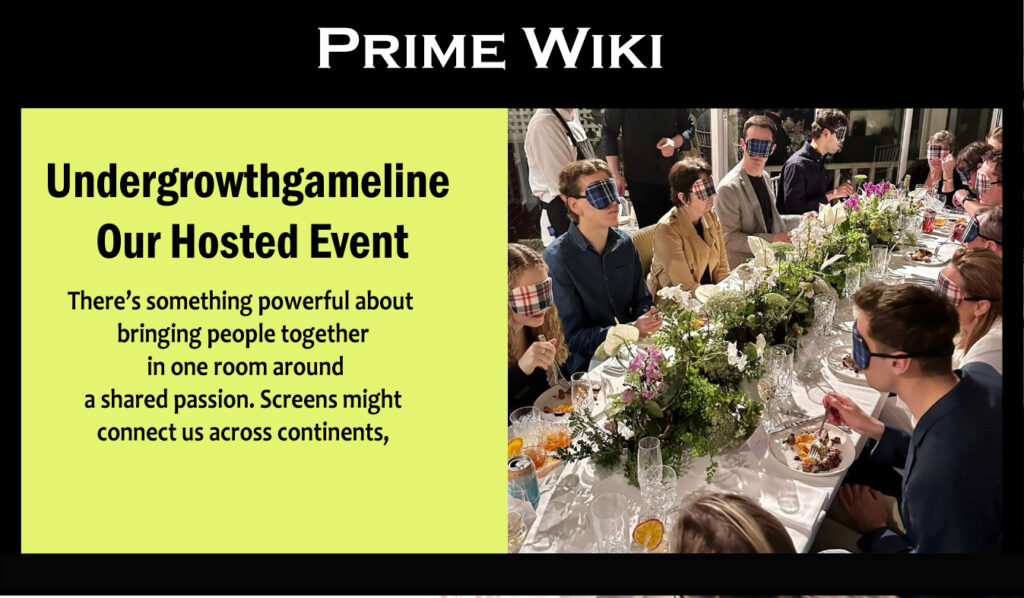
The Role of Community Volunteers
An event like this doesn’t run on planning alone. It runs on people.
Volunteers were the backbone of Undergrowth GameLine. They managed check-ins, guided attendees, supported technical setups, and ensured smooth transitions between segments.
But beyond tasks, they brought warmth.
They answered questions with patience. They celebrated match wins with genuine excitement. They encouraged hesitant participants to join open activities.
Because of them, the event didn’t feel transactional. It felt cared for.
Challenges We Faced (And What We Learned)
No event unfolds perfectly.
Technical hiccups appeared. A match had to be restarted due to equipment malfunction. One panel ran over time and forced schedule adjustments. Crowd flow needed minor rerouting midway through the day.
But here’s what we learned: authenticity outweighs perfection.
Instead of hiding issues, we communicated openly. Attendees appreciated transparency. When delays happened, they were met with understanding—not frustration.
And every challenge became a lesson for future growth.
Undergrowth GameLine wasn’t about presenting a flawless image. It was about building something real.
The Emotional Closing Moment
As the event wound down, there was a noticeable shift in the room.
Fatigue mixed with fulfilment. Conversations slowed but deepened. Groups lingered, reluctant to leave.
During the closing segment, we didn’t focus on statistics or achievements. We focused on gratitude.
We thanked:
- The players who competed with heart
- The creators who shared honestly
- The developers who trusted us with their work
- The volunteers who kept everything running
- The attendees who showed up with open minds
Applause filled the room—but it didn’t feel performative. It felt earned.
Undergrowth GameLine had achieved what it set out to do. It created connection.
Why Undergrowth GameLine Matters
In a digital world where interactions are often filtered through screens, live community events hold a different kind of power.
They remind us that behind every username is a person.
Behind every highlight clip is practice and persistence.
Behind every indie game is someone who believed in an idea long enough to build it.
Undergrowth GameLine mattered because it humanized the gaming ecosystem. It brought the “undergrowth” into the light.
It showed that growth doesn’t only happen at the top. It happens in shared spaces, collaborative conversations, and supportive environments.
Looking Ahead
The success of Undergrowth GameLine wasn’t measured only in attendance numbers. It was measured in feedback, in returning messages, in social posts from attendees who said, “This felt different.”
And it was different.
Moving forward, the vision expands:
- More workshops
- Larger indie showcases
- Cross-community collaborations
- Hybrid streaming integration
- Deeper mentorship programs
But no matter how much it grows, the foundation will remain the same: community first.
Final Thoughts
Events come and go. Some are remembered for scale. Others for spectacle.
Undergrowth GameLine will be remembered for something else.
It will be remembered for the conversations that continued after the lights dimmed. For the players who gained confidence. For the developers who gained insight. For the creators who felt seen.
It proved that you don’t need massive corporate backing to build something meaningful. You need vision, intention, and people who care.
Frequently Asked Questions (FAQs)
1. What is Undergrowthgameline Our Hosted Event?
Undergrowth GameLine is a community-driven gaming event that brings together players, creators, and indie developers for competition, collaboration, and creative exchange.
2. Who can attend the event?
The event is open to gamers of all levels—casual players, competitive participants, content creators, developers, and anyone passionate about gaming culture.
3. Are indie developers featured at Undergrowth GameLine?
Yes. Indie developers are given dedicated space to showcase their games, gather feedback, and connect directly with players and collaborators.
4. Does the event include workshops or learning sessions?
Absolutely. Undergrowth GameLine offers practical workshops, panel discussions, and skill-based sessions designed to help attendees grow both creatively and competitively.
5. Will there be future Undergrowth GameLine events?
Yes. The event is designed to grow over time, with plans for expanded showcases, more community involvement, and even broader participation in the future.